
Understanding the psychology behind our gambling choices
The Nature of Gambling Behavior
The psychology of gambling is deeply rooted in various cognitive and emotional processes. At its core, gambling is an activity driven by the anticipation of rewards, and this excitement can lead to a powerful emotional response. The prospect of winning money or achieving a particular outcome engages our brain’s reward system, resulting in the release of dopamine, a neurotransmitter associated with pleasure. This biological response creates a sense of euphoria, reinforcing the behavior and often leading to repeated gambling experiences. As players delve deeper, they might discover platforms like rizzio.bet, which provide a wide variety of gaming options.
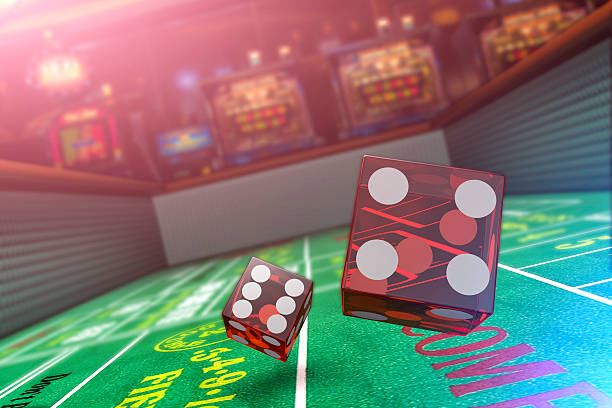
Gambling choices are also influenced by cognitive biases. For example, many gamblers fall prey to the “gambler’s fallacy,” where they believe that previous outcomes will influence future results. A player might think that a slot machine is “due” for a win after a series of losses, failing to recognize the random nature of such games. This misconception can lead to increased gambling behavior, as individuals continue to invest their time and money in hopes of a favorable outcome, fueled by their flawed logic.
Furthermore, the social environment plays a crucial role in gambling behavior. People are often influenced by their peers and societal norms regarding gambling. In some cultures, gambling is celebrated as a form of entertainment, while in others, it may be viewed more critically. The desire for social acceptance or the thrill of engaging with friends can drive individuals to make gambling choices that they may not have made in isolation, thereby amplifying their involvement in this activity.
The Role of Emotion in Gambling Decisions
Emotions significantly impact gambling decisions, often leading to impulsive behavior. Many gamblers chase losses, driven by feelings of frustration or disappointment. This emotional state can cloud judgment, prompting individuals to gamble more in an attempt to recoup their previous losses. Such actions can spiral out of control, as the emotional highs and lows of gambling can create a cycle of addiction, where the gambler feels compelled to continue playing despite negative outcomes.
An emotional attachment to gambling can also stem from the thrill associated with risk-taking. For some, the excitement of potentially winning can outweigh rational decision-making processes. This phenomenon is evident in high-stakes gambling environments, where the rush of adrenaline fuels riskier choices. Gamblers may prioritize the immediate excitement over long-term consequences, often neglecting the impact of their decisions on their finances and personal relationships.
Additionally, the role of escapism cannot be understated. Many individuals turn to gambling as a means of coping with stress, anxiety, or boredom. In these instances, gambling serves as a distraction from reality, offering a temporary escape from life’s challenges. This psychological reliance can lead to compulsive gambling behavior, where individuals continue to gamble not just for the thrill, but to alleviate negative emotions, further complicating their relationship with gambling.
The Influence of Cognitive Biases
Cognitive biases are systematic patterns of deviation from norm or rationality in judgment, and they play a significant role in gambling choices. One common bias is the “illusion of control,” where gamblers believe they have the power to influence the outcome of games of chance, such as poker or sports betting. This belief can lead to overconfidence and increase the likelihood of placing bets, as players may think their skill can alter the odds in their favor.
Another cognitive bias prevalent among gamblers is “confirmation bias,” where individuals seek out information that supports their existing beliefs about gambling while ignoring contradictory evidence. For instance, someone who believes they are a lucky gambler may focus on their past wins and dismiss losses. This selective thinking can reinforce their gambling habits, as they continue to engage in behavior that aligns with their positive self-perception, ultimately leading to riskier choices.
Moreover, the “near-miss effect” can also perpetuate gambling behavior. When players experience outcomes that are close to winning, such as landing two out of three required symbols on a slot machine, they are often left with a sense of encouragement. These near-misses can trigger excitement and motivate gamblers to keep playing, even if statistically, their chances of winning remain unchanged. This deceptive psychological trigger can create an ongoing cycle of gambling, making it challenging for individuals to recognize when to walk away.
The Impact of Environment and Marketing
The environment in which gambling takes place significantly influences choices. Casinos and online gambling platforms are designed to create immersive experiences, often filled with bright lights, engaging sounds, and enticing visuals. This sensory overload is deliberately crafted to keep players engaged and invested in their gambling experience. The atmosphere can stimulate impulsive behavior, leading individuals to gamble more than they initially intended, as they become enveloped in the excitement of the moment.
Additionally, marketing strategies in the gambling industry further exacerbate these psychological influences. Promotions, bonuses, and loyalty programs are designed to draw players in and encourage them to keep gambling. For example, enticing welcome bonuses can create an initial thrill that often leads players to chase that high repeatedly. This marketing tactic plays on the idea of immediate gratification, encouraging users to prioritize short-term wins over long-term financial health.
Social media also plays a significant role in shaping perceptions of gambling. The portrayal of gambling as glamorous or exciting can normalize risky behavior, particularly among younger audiences. When individuals see their peers celebrating wins online, they may feel compelled to participate, believing they can achieve similar outcomes. This collective reinforcement can lead to a broader acceptance of gambling, often overshadowing the associated risks and consequences.

Discovering Gaming at Rizzio Casino
At Rizzio Casino, understanding the psychology behind gambling choices informs our approach to creating a responsible gaming environment. We offer a wide range of online games that cater to various preferences, from exciting slots to engaging live casino experiences. Our platform encourages players to enjoy their gaming journey while being mindful of their choices. With substantial bonuses and promotions, Rizzio Casino ensures that players have the opportunity to experience the thrill of gambling without compromising their well-being.
Moreover, we provide resources and support for players who may be grappling with their gambling behavior. By promoting responsible gaming, we foster an environment where individuals can enjoy their passion for gambling without falling into the trap of compulsive behavior. Our commitment to player safety extends beyond just providing entertainment; we aim to cultivate a supportive community that prioritizes mental health and well-being.
Join us at Rizzio Casino to explore our exciting offerings while gaining insights into the psychology that shapes our gambling choices. By understanding these factors, players can make informed decisions that enhance their gaming experience while ensuring a balanced approach to gambling. Experience the thrill responsibly, and discover what makes Rizzio Casino the premier destination for online gaming.